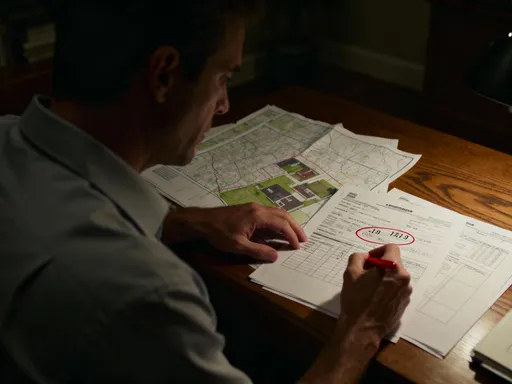
How I Spotted Hidden Risks in Property Taxes—And What Actually Worked
You buy a property, thinking you’ve nailed the investment—great location, solid price, promising returns. Then the tax bill hits. Suddenly, what looked like a smart move starts feeling shaky. I’ve been there. It wasn’t just about paying more; it was the surprises hidden in plain sight. A reassessment I didn’t expect. A zoning change I never saw coming. Exemptions I didn’t know applied. This is how I learned to spot red flags in property taxes before they cost me big—and how you can too, without the stress or costly mistakes. What began as a financial shock turned into a lesson in vigilance, one that changed how I approach every real estate decision since.
The Wake-Up Call: When My Property Tax Bill Shocked Me
It started with a letter. Nothing dramatic—just a standard-looking notice from the county assessor’s office. I opened it casually, expecting a routine update. Instead, I found a tax bill 42% higher than projected. My stomach dropped. This wasn’t a minor adjustment; it was a recalibration that threatened the entire financial logic of my investment. I had budgeted carefully, factoring in mortgage, maintenance, and projected rental income. But this jump in taxes erased nearly half my annual cash flow. I wasn’t angry—I was confused. How could this happen so quickly?
The answer lay in the fine print. My property had been reassessed after the title transfer, a common but often overlooked practice. The previous owner had benefited from a long-standing assessment freeze, a break I didn’t inherit. The new valuation was based on recent sales in the neighborhood—sales I hadn’t tracked. On paper, the process was fair. In practice, it felt like a trap. I had done my due diligence on the home’s condition and market value, but I’d treated property taxes as a fixed cost, not a variable risk. That assumption cost me.
What made this more than just a financial setback was the sense of powerlessness. I had no warning, no chance to negotiate, and no clear path to appeal. The bill arrived, and payment was expected. I began to realize that property tax risk isn’t just about the amount you pay—it’s about predictability. When taxes fluctuate unexpectedly, they disrupt budgets, delay reinvestment, and erode confidence. For someone building wealth through real estate, stability is as important as return. That moment taught me that real ownership means more than holding a deed. It means understanding the full financial ecosystem surrounding your property—especially the parts no one talks about until it’s too late.
What Property Tax Risk Really Means (And Why Most Investors Ignore It)
Most people think of property tax as a simple formula: a percentage of your home’s value. But that simplicity is misleading. The real risk isn’t the rate—it’s the volatility. A tax rate might stay flat for years, but your liability can still soar if your assessment changes. And assessments don’t move in lockstep with market value. They’re influenced by local budgets, political decisions, and administrative policies that shift without notice. This is what makes property tax a hidden risk: it looks stable until it isn’t.
Many investors ignore this because they focus on visible metrics—purchase price, rental yield, appreciation potential. Taxes are treated as a background cost, like utilities. But unlike your electric bill, property taxes can reset based on events outside your control. A new school bond measure. A city-wide reassessment cycle. A change in how improvements are classified. These aren’t rare occurrences. They happen regularly, and they compound over time. The danger lies in assuming that what you pay today is what you’ll pay tomorrow.
Consider this analogy: buying a car with a known insurance premium. You budget for it. But if the insurer later reclassifies your vehicle as high-risk—maybe because of a minor modification or a change in claims data—your premium doubles. You didn’t do anything wrong, but your costs did. Property tax works the same way. It’s not just about how much your home is worth. It’s about how it’s classified, when it’s reviewed, and what exemptions you qualify for. Understanding this shift—from passive payer to active monitor—is the first step toward control. Risk isn’t eliminated, but it becomes manageable when you see it coming.
The 3 Hidden Triggers That Skyrocket Your Tax Bill
There are three common but often invisible triggers that can send your property tax bill soaring. The first is ownership transfer. In many counties, a change in title automatically triggers a reassessment. This means the new valuation isn’t based on the original purchase price or long-term trends—it’s based on current market data, which may reflect recent price surges. If home values in your area have risen even modestly, your tax base jumps immediately. This isn’t punishment; it’s policy. But it’s rarely explained during closing, leaving buyers blindsided by the first post-purchase tax notice.
The second trigger is zoning or classification changes. Your property might be reclassified from residential to mixed-use, or from standard to luxury, based on new development patterns or municipal planning updates. Even if you haven’t altered the property, a shift in how the local government defines it can place it in a higher tax bracket. I once owned a home in a quiet neighborhood that was reclassified after nearby commercial development. Though my property remained unchanged, its new zoning category came with a steeper tax rate. These decisions are often made at public meetings with low attendance—easy to miss, hard to challenge later.
The third trigger is property improvements. This one feels fair—after all, adding value should come with higher taxes. But the thresholds aren’t always clear. A new roof might be exempt, but a finished basement could count as added square footage. In one case, I converted a garage into a home office. It wasn’t a major renovation, but the assessor flagged it as a structural change, leading to a full reassessment. The lesson? Not all improvements are treated equally. Some local governments use broad definitions of ‘improvement,’ and even minor changes can reset your tax basis. The key is knowing the rules before you act—because once the work is done, the clock starts ticking on reassessment.
How to Audit Your Property Tax Like a Pro (No Degree Needed)
You don’t need an accounting background to review your property tax assessment. What you need is access to public records and a few simple steps. The first is to obtain your property’s assessment details from the county assessor’s website. Look for the breakdown: land value, improvement value, total assessed value. Then, compare it to recent sale prices of similar homes in your area—what professionals call ‘comps.’ If your assessed value is significantly higher than comparable properties that sold for less, you may be overvalued.
Next, verify the facts on file. Check the number of bedrooms, bathrooms, square footage, and lot size. I once discovered my home was listed with an extra bedroom—one that didn’t exist. The assessor had used outdated plans. Correcting this error alone reduced my assessment by 12%. Another common discrepancy is acreage. If your property borders a public easement or shared driveway, the recorded lot size might include land you don’t own. These errors are more common than you’d think, and they’re easy to miss if you don’t look.
The third step is to research available exemptions. Many homeowners qualify for breaks they never claim—homestead exemptions, senior discounts, disability reductions, or even agricultural classifications for large lots. These aren’t automatic. You usually need to apply, and deadlines matter. I found that my property, though residential, sat on land suitable for limited farming. After submitting documentation, I qualified for a partial agricultural exemption, cutting my tax burden by nearly 18%. The process took two weeks and three forms. The savings lasted for years.
This audit isn’t about suspicion. It’s about accuracy. Local assessors manage thousands of properties. Mistakes happen. By reviewing your file annually—just as you’d check your credit report—you catch errors early, avoid overpayment, and position yourself for a successful appeal if needed. It’s a small habit with a significant financial payoff.
The Appeal Game: When and How to Fight Back (Without Losing)
Filing a property tax appeal isn’t about confrontation. It’s about correction. The goal isn’t to argue with the assessor—it’s to present evidence that your assessment doesn’t reflect market reality. I learned this the hard way. My first appeal was emotional. I wrote a long letter explaining why the tax hike was unfair. It was rejected. The second time, I focused on data: recent sale prices of three nearly identical homes, photos showing my property’s condition, and a corrected floor plan. That appeal succeeded, reducing my assessment by 15%.
Timing is critical. Most jurisdictions have strict windows for appeals—often 30 to 60 days after the assessment notice. Miss the deadline, and you’re locked in for the year. I now mark these dates on my calendar as soon as I receive the notice. Preparation matters just as much. You need comparable sales from the same neighborhood, ideally within the past six months. These should be similar in size, age, and condition. If your home has unique features, you may need to adjust the comparison, but the core principle remains: is your assessment in line with what similar homes are selling for?
Communication style also influences outcomes. A respectful, fact-based letter works better than an angry complaint. I include a summary of my case, clear photos, and a list of supporting documents. Some counties allow informal reviews before a formal hearing—use that option if available. It’s less intimidating and often resolves the issue without a courtroom-style process. Even if your appeal isn’t fully granted, partial reductions are common. The key is to approach it as a review, not a battle. You’re not asking for special treatment. You’re asking for fairness.
Local Laws Matter: Why Your Neighbor Pays Less (And You Can Too)
It’s not your imagination—your neighbor might really be paying less in property taxes, even if your homes are nearly identical. This isn’t always about favoritism. It’s about eligibility. Local governments offer a range of tax breaks, but they only apply if you claim them. The homestead exemption, for example, reduces taxable value for primary residences. But it’s not automatic in all areas. I moved into a new home and assumed I’d receive it. I didn’t. After a year of overpaying, I applied and received a retroactive adjustment—plus a refund.
Other breaks target specific groups. Senior citizens, veterans, and people with disabilities often qualify for additional reductions. Some towns offer freeze programs that cap annual increases, protecting long-term owners from sudden jumps. In agricultural regions, land used for farming—even part-time—can qualify for lower classifications. I know a woman who kept a few chickens and grew vegetables on her half-acre lot. After applying for an agricultural use designation, her tax bill dropped by over 30%. These programs exist to support community stability, but they require initiative.
The real advantage comes from knowing what’s available in your jurisdiction. Municipal codes vary widely, even between neighboring towns. One city might offer a 10% senior discount, while the next offers a full freeze after age 65. The only way to find out is to research. Visit your county assessor’s website. Call their office. Ask about active programs. Attend a budget meeting. These aren’t secrets—they’re public information. But they’re only useful if you seek them out. When you uncover a break you didn’t know existed, it’s not luck. It’s diligence. And it’s one of the most reliable ways to reduce your cost of ownership without spending a dime.
Building a Tax-Smart Investment Strategy for the Long Haul
Today, I evaluate every property through a tax-aware lens. It starts before I make an offer. I request the current tax statement and review the assessment history. Has there been a recent jump? Is the property due for reassessment? I also check local trends—has the city approved new infrastructure projects that could lead to higher rates? Are school bond measures on the ballot? These factors don’t dictate my decisions, but they inform them. A slightly higher price with stable taxes often beats a bargain with hidden risk.
I also monitor my portfolio annually. Each spring, when assessment notices arrive, I conduct a mini-audit. I compare values, check for errors, and verify exemption status. If a reassessment is pending, I gather comps in advance. This isn’t extra work—it’s maintenance. Just as you service a car to prevent breakdowns, you review your taxes to prevent financial surprises. Over time, this habit has saved me thousands.
Finally, I think long-term. Property tax isn’t a one-time calculation. It compounds. A 5% annual increase may seem small, but over ten years, it nearly doubles your liability. That’s why I build tax growth into my cash flow models. I assume a conservative 3% annual increase, even in stable markets. If taxes rise slower, it’s a bonus. If they rise faster, I’m prepared. This approach doesn’t eliminate risk, but it removes panic. I know what I’m paying, why I’m paying it, and what I can do if it changes.
Staying Ahead of the Game—Because Smart Ownership Never Stops
Owning property isn’t just about the deed—it’s about staying alert. I’ve learned that the most successful investors aren’t the ones who find the lowest prices. They’re the ones who understand the full cost of ownership. Property tax is not a footnote. It’s a core component of financial health. By treating it with the same attention as mortgage rates or rental income, I’ve turned a source of stress into a tool for smarter decisions.
The real win isn’t just saving money. It’s peace of mind. When you know your tax assessment is accurate, when you’ve claimed every eligible break, when you’re prepared for changes—confidence replaces anxiety. You stop reacting and start planning. That shift—from passive buyer to informed owner—is where true financial control begins.
This isn’t about gaming the system. It’s about understanding it. The rules are public, the process is transparent, and the power to act is yours. You don’t need to be an expert. You just need to be consistent. Review your statement. Know your rights. Ask questions. Because in the world of real estate, the most valuable asset isn’t the property itself. It’s the knowledge that protects it.