Luxury Without Loss: My Smarter Way to Invest in High-End Purchases
You love luxury items—but what if they didn’t drain your wallet forever? I used to treat designer bags and watches as pure expenses—until I discovered how to turn them into value-preserving assets. It’s not about splurging; it’s about strategizing. In this article, I’ll walk you through a practical, risk-smart approach to luxury buying that prioritizes long-term value, resale potential, and financial confidence—because true luxury means spending with purpose, not regret. This mindset shift doesn’t require a finance degree or insider connections. It starts with understanding how certain high-end purchases behave more like collectibles than消费品, and how small changes in buying habits can protect—and even grow—your spending power over time.
The Hidden Cost of Luxury: Why Most Buyers Lose Value Instantly
Luxury shopping often feels like a reward—a moment of indulgence after months of budgeting or hard work. Yet behind the glossy storefronts and elegant packaging lies a financial reality few consumers consider: the moment a luxury item is purchased, it typically loses a significant portion of its value. For many high-end handbags, watches, and accessories, depreciation begins the second the receipt is signed. A well-known luxury handbag, for example, might retail for $5,000, but resell for as little as $3,000 just months later—representing a 40% loss without ever being worn. This phenomenon isn’t unique to one brand or category; it’s a systemic feature of the luxury market, driven by controlled supply, consumer psychology, and the mechanics of brand prestige.
The root of this value drop lies in what economists call the “newness premium.” Luxury brands carefully manage perception by limiting access and emphasizing exclusivity, which makes the act of purchasing feel elite. But this emotional high often overrides rational financial thinking. Buyers focus on the immediate joy of ownership, not the long-term depreciation. Retailers benefit directly from this behavior, as repeat purchases are encouraged by seasonal collections and limited-time releases. The system rewards frequent spending, not value retention. Over time, this pattern can turn luxury shopping into a costly habit—one that looks elegant on the surface but quietly erodes personal financial stability.
Another overlooked factor is the role of supply and demand dynamics. While luxury brands market their products as rare or exclusive, many items are actually produced in much larger quantities than publicly acknowledged. Once a model becomes widely available, its scarcity appeal fades, and resale prices follow. Additionally, fashion trends shift quickly, and even high-end pieces can become outdated. A handbag that dominates social media one year may be seen as passé the next. Without careful selection, what feels like a timeless purchase can quickly become a depreciating asset. Recognizing these patterns is the first step toward smarter luxury consumption—one where emotion doesn’t override economics.
From Expense to Asset: Reframing the Mindset Around Luxury Spending
The traditional view of luxury goods is simple: they are expenses, not investments. But this perspective is shifting as more consumers realize that certain high-end items can maintain or even increase in value over time. The key lies in reframing how we think about luxury spending—not as consumption, but as selective acquisition. This mindset shift moves the focus from immediate gratification to long-term value. Instead of asking, “Do I want this?” the better question becomes, “Will this hold its value?” or even, “Could this appreciate?” This subtle change in thinking transforms the buyer from a passive consumer into an informed decision-maker.
Strategic consumption involves treating certain luxury purchases like curated assets. Just as someone might invest in art, rare coins, or vintage wines, a growing number of buyers are applying similar logic to watches, handbags, and fine jewelry. These items, when chosen wisely, can serve dual purposes: they provide personal enjoyment while also functioning as tangible stores of value. For example, specific models of Swiss-made mechanical watches from established brands have consistently outperformed inflation over the past two decades. Some limited-edition timepieces have appreciated by over 200% within five years of release, according to market data from reputable auction houses.
This transformation from expense to asset hinges on three core factors: scarcity, brand legacy, and condition. Scarcity drives demand—when fewer units exist, especially in combination with high desirability, prices tend to rise. Brand legacy matters because only a handful of fashion and watch houses have the historical credibility and consistent craftsmanship to command long-term respect. Finally, condition is critical—any damage, wear, or missing documentation can significantly reduce resale value. By focusing on these elements, buyers can identify which items are more likely to retain worth. The goal isn’t to turn every purchase into an investment, but to make informed choices that align passion with prudence.
Choosing the Right Items: The Criteria That Signal Long-Term Value
Not all luxury goods are created equal when it comes to value retention. While one designer handbag may lose half its value within a year, another from the same brand might maintain 80% or more over a decade. The difference lies in specific, identifiable traits that signal long-term desirability. To make smarter buying decisions, consumers should evaluate potential purchases against a clear set of criteria: timeless design, proven resale demand, limited production volume, and strong brand equity. These factors act as filters, helping distinguish between fleeting trends and enduring value.
Timeless design is perhaps the most important criterion. Items that follow classic silhouettes, neutral color palettes, and functional forms tend to remain desirable across generations. A black leather handbag with minimal hardware, for instance, will likely stay in demand longer than a brightly colored, seasonally themed version. Similarly, in the world of watches, models with clean dials and understated elegance—such as certain vintage-inspired chronographs—have demonstrated consistent appreciation. These pieces transcend fashion cycles, making them safer bets for long-term ownership.
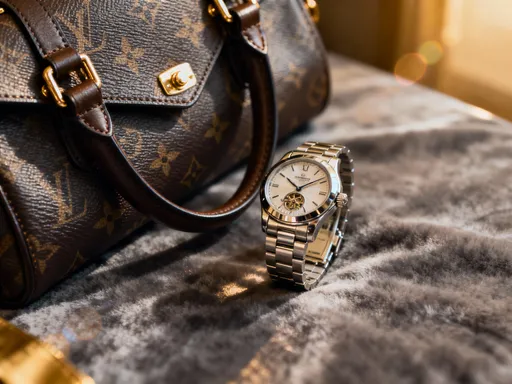
Proven resale demand is another essential indicator. Before purchasing, it’s wise to research how frequently a particular item appears on the secondary market and at what prices. Online platforms specializing in authenticated pre-owned luxury goods offer valuable insights into real-world performance. For example, certain handbag styles from leading French and Italian fashion houses consistently resell at or near their original retail price, sometimes even exceeding it during periods of high demand. In contrast, newer or trend-driven models often flood the resale market quickly, driving prices down.
Low production volume and strong brand equity complete the picture. Limited-edition releases, especially those tied to anniversaries or collaborations with respected designers, often gain collector interest. Brands that maintain strict control over distribution and uphold rigorous craftsmanship standards tend to preserve their reputation over time. This combination of scarcity and quality creates a foundation for value retention. By applying these criteria systematically, buyers can move beyond impulse and make choices that reflect both personal taste and financial wisdom.
Timing the Purchase: When to Buy (and When to Wait)
Even the most desirable luxury item can become a poor financial decision if bought at the wrong time. Just like in traditional investing, timing plays a crucial role in maximizing value and minimizing risk. Many buyers fall into the trap of purchasing immediately upon a product’s release, driven by fear of missing out or the allure of being first. However, this impulse often leads to overpaying. New luxury items, especially in watches and handbags, frequently experience an initial markup or inflated resale price due to hype. Waiting even six to twelve months can result in more favorable pricing and better availability.
Market cycles significantly influence the value trajectory of luxury goods. After a new model launch, demand spikes, and secondary market prices rise. But as the novelty wears off and supply stabilizes, prices often correct downward. Savvy buyers monitor these patterns and avoid the early peak. For example, a newly released watch model might command a 30% premium on the resale market within the first few months, only to settle near retail price later. Purchasing during this stabilization period allows buyers to acquire the same item at a more reasonable cost, improving their long-term value position.
Seasonal trends also affect timing. Many luxury brands introduce new collections in spring and fall, which can temporarily depress demand for outgoing lines. This creates opportunities to buy last season’s models at a discount, especially if they are still in stock with retailers clearing inventory. Additionally, end-of-year sales or private client events sometimes offer early access or exclusive pricing, though these are typically invitation-only. Monitoring brand announcements, fashion calendars, and resale data enables buyers to act strategically rather than emotionally.
Another advantage of delayed purchasing is the ability to assess real-world performance. Early reviews, wear tests, and customer feedback can reveal potential flaws or design issues that weren’t apparent at launch. A bag that looks stunning in photos might prove impractical for daily use, or a watch’s finish might scratch more easily than expected. By waiting, buyers gain valuable information that supports long-term satisfaction. Patience, in this context, isn’t passive—it’s a form of financial discipline that aligns with smart investment principles.
Protecting Your Investment: Care, Provenance, and Documentation
Purchasing a luxury item is only the first step in preserving its value. How it is cared for afterward determines whether it remains a treasured possession or becomes a depreciated relic. Condition is one of the most influential factors in resale pricing—minor scratches, stains, or wear can reduce a handbag’s value by 20% or more. Similarly, a watch without its original box, papers, or service history may sell for significantly less than an identical model with full documentation. Proper maintenance isn’t just about aesthetics; it’s a critical component of financial protection.
Simple care habits go a long way. Storing leather goods in dust bags, away from direct sunlight and humidity, prevents fading and cracking. Rotating usage allows materials to rest and recover, reducing strain on hardware and stitching. For watches, regular servicing—at intervals recommended by the manufacturer—ensures mechanical reliability and maintains authenticity. Even small details matter: keeping straps clean, avoiding exposure to water (unless the watch is rated for it), and using professional cleaners for delicate fabrics all contribute to long-term preservation.
Provenance—the history and origin of an item—also plays a vital role. Collectors and buyers place high trust in items with clear ownership trails, original receipts, and authentication certificates. A handbag with its serial number, care booklet, and box commands higher prices because it reduces the risk of counterfeits. In the watch world, papers that verify authenticity and service records add credibility and value. Some buyers even keep logs of maintenance and storage conditions, treating their items like curated collections.
Digital documentation can enhance provenance further. Photographing items upon purchase, saving receipts in secure folders, and using trusted authentication services provide additional layers of verification. Some resale platforms now offer digital passports for luxury goods, linking physical items to verified ownership histories. By treating documentation as seriously as the purchase itself, buyers ensure they are prepared for a strong resale outcome. This level of diligence turns casual ownership into responsible stewardship—one that honors both the craftsmanship of the item and the intelligence of the buyer.
Exiting Smart: How and When to Sell for Maximum Return
Knowing when and how to sell a luxury item is just as important as knowing what to buy. Many owners wait too long, sell at the wrong time, or choose inefficient channels, leaving money on the table. A strategic exit maximizes return by aligning with market conditions, demand cycles, and personal financial goals. The decision to sell should not be driven by emotion or urgency but by careful observation of trends and opportunities.
One effective timing strategy is to monitor new product launches. When a brand releases an updated version of a popular model, demand for the previous iteration often declines. This creates a window to sell before prices drop. For example, when a fashion house unveils a revised handbag design, collectors and resellers begin shifting focus, reducing interest in the older style. Selling shortly before or during this transition can yield higher returns. Conversely, holding onto an item during periods of rising demand—such as when a vintage model is reissued or featured in a major fashion campaign—can lead to peak pricing.
The choice of resale channel also impacts results. Authorized dealers and brand boutiques sometimes offer trade-in programs, but these typically provide store credit at a fraction of market value. Consignment shops offer more competitive pricing but take a commission, usually between 20% and 40%. Online platforms provide broader reach and real-time pricing data, but require sellers to handle authentication, shipping, and customer service. Each option has trade-offs in terms of convenience, speed, and net return. Savvy sellers often test multiple channels or use hybrid approaches—listing on a platform while also seeking private buyers.
Realistic expectations are essential. Fees, authentication delays, and market fluctuations can affect the final sale price and timeline. A well-maintained item with full provenance may sell quickly at a strong price, while one with missing parts or damage may take months to find a buyer. Setting a target price based on recent comparable sales, rather than emotional attachment, increases the likelihood of a successful transaction. Selling with patience and precision ensures that the value built through smart buying and careful upkeep is fully realized.
Balancing Passion and Prudence: Building a Sustainable Luxury Strategy
True financial wisdom in luxury consumption lies in balance. It’s possible to enjoy high-end items without compromising financial health—by aligning passion with prudence. This doesn’t mean eliminating emotional purchases, but rather creating a structured approach that separates impulse buys from strategic acquisitions. A sustainable luxury strategy begins with budgeting: defining how much to spend annually on luxury goods and allocating funds between consumable pleasures (like seasonal accessories) and value-preserving assets (like iconic watches or handbags).
Diversification is another key principle. Just as investors spread risk across asset classes, luxury buyers can balance their spending across different categories and price points. Allocating a portion of the budget to high-potential, long-term items while reserving some for enjoyment ensures both satisfaction and stability. It’s also wise to avoid overextending—financing luxury purchases through credit should be approached with caution, as interest charges can erase any potential value gains. Paying in full, or saving in advance, reinforces disciplined habits and reduces financial stress.
Personal taste remains central. The goal isn’t to turn every buyer into a speculator, but to empower them with knowledge. Choosing items that reflect individual style increases the likelihood of long-term enjoyment, which in turn supports better care and preservation. When emotional connection and financial logic align, luxury becomes more meaningful. It’s no longer about keeping up with trends or seeking validation, but about making intentional choices that reflect values and goals.
In the end, luxury should enhance life—not burden it. With the right mindset, tools, and timing, high-end purchases can be both beautiful and responsible. They can tell a story of taste, care, and foresight. By treating select items as value-preserving assets, buyers gain not only ownership but confidence. This is the essence of smarter luxury: spending with purpose, protecting with diligence, and enjoying without regret. When passion meets prudence, true elegance emerges—not just in what we carry or wear, but in how we choose to live.