How I Turned Tax Strategy Into My Debt Crisis Game Changer
I used to lie awake staring at ceiling fans, stressing over bills piling up like unread emails. I wasn’t alone—so many of us get trapped in debt cycles without seeing a way out. Then I discovered something unexpected: tax strategy wasn’t just for accountants or the rich. When I started using it as a tool to tackle my debt crisis, everything shifted. This is how I took control—one smart move at a time. What began as a desperate search for breathing room became a structured path out of financial chaos. The turning point wasn’t luck or a windfall. It was learning to see taxes not as an annual burden, but as a strategic lever in debt recovery. By aligning tax planning with debt repayment, I freed up cash, avoided penalties, and rebuilt confidence. This is not a get-rich-quick tale. It’s a real-life example of how ordinary people can use overlooked financial tools to regain control.
The Breaking Point: When Debt Feels Like a Trap
There was a time when every envelope with a return address from a credit card company made my stomach drop. The numbers kept growing, and no matter how many times I transferred balances or made minimum payments, the debt felt like quicksand. I was working full-time, budgeting carefully, and still falling behind. Medical expenses had piled up after a family illness, and then a temporary job loss pushed everything over the edge. Late fees compounded. Interest rates climbed. I stopped opening statements altogether, hoping the problem would disappear. But it didn’t. Instead, the silence became louder—sleepless nights, strained conversations, and a constant sense of failure.
That emotional weight is one of the most underestimated aspects of debt. Stress clouds judgment. It leads to small, short-term decisions that worsen the long-term picture—like skipping a retirement contribution to cover a credit card bill, or ignoring a tax notice because it feels too overwhelming to face. Many people in financial crisis aren’t financially illiterate; they’re emotionally exhausted. The turning point for me wasn’t a sudden income boost. It was the realization that I couldn’t keep reacting to emergencies. I needed a system. I needed to stop surviving and start strategizing. And that’s when I began to look beyond the usual advice of cutting lattes or selling unused clothes. I started asking bigger questions: Where was my money really going? What systems was I ignoring? And could something I dreaded—like tax season—actually be part of the solution?
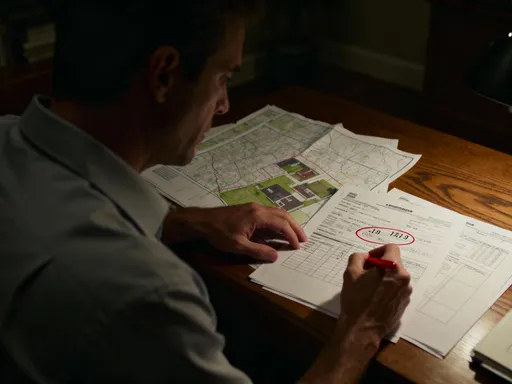
The shift began with honesty. I gathered every statement, every notice, every piece of paper I’d avoided. I listed every debt, every income source, and every tax obligation. The total number was painful, but seeing it clearly was liberating. For the first time in years, I wasn’t guessing. I was seeing. And with that clarity came a quiet resolve: I could not change the past, but I could plan the next move. That mindset—from helplessness to agency—is the foundation of any financial recovery. Without it, even the best strategies fail. With it, progress becomes possible, one step at a time.
Why Tax Strategy? The Hidden Lever in Debt Management
Most people think of taxes as a fixed cost—something you pay once a year and then forget until the next deadline. But in reality, tax planning is an ongoing financial tool, especially for those in debt. When managed poorly, tax obligations can deepen a crisis. Missing deadlines leads to penalties. Underpayment results in unexpected bills. But when approached strategically, tax decisions can create immediate cash flow relief. This isn’t about cheating the system or exploiting loopholes. It’s about using legal, accessible tools to improve financial stability.
Consider this: every dollar withheld from your paycheck goes toward your tax bill. If too much is withheld, you get a refund—a lump sum that many people spend impulsively. If too little is withheld, you owe money and may face penalties. Neither extreme serves someone in debt. The sweet spot is adjusting withholdings to free up small amounts of cash each month, which can be redirected toward high-interest debt. That extra $100 or $200 per paycheck may not seem like much, but over a year, it can pay off a credit card balance or cover an overdue utility bill.
Another powerful lever is deductions and credits. Many taxpayers miss out on legitimate write-offs simply because they don’t know they qualify. For example, the Earned Income Tax Credit (EITC) puts money back into the pockets of low- to moderate-income workers. Education credits can reduce tax liability for those investing in training or certifications. Even home-related expenses—like a portion of rent for a home office—can sometimes be claimed under certain conditions. These aren’t obscure benefits. They’re designed to support financial resilience, especially during hard times.
The key insight is this: tax strategy is not separate from debt management. It’s part of it. When you reduce your tax liability legally, you increase your disposable income. When you time your payments wisely, you avoid penalties that deepen the hole. And when you plan ahead, you stop being surprised by large bills. For someone in debt, that predictability is priceless. It’s the difference between reacting to crises and building a way out. By treating tax planning as a core component of financial recovery, not an afterthought, I began to see progress where before there was only stagnation.
Step One: Mapping Your Financial Reality (Know Where You Stand)
Before making any moves, I knew I needed a clear picture of my financial life. Without that, any strategy would be guesswork. So I started with a simple but thorough assessment. I gathered every financial document I could find—bank statements, credit card bills, loan agreements, pay stubs, and past tax returns. I created a spreadsheet with three main sections: income, debt, and tax status. This wasn’t about judgment. It was about clarity.
Under income, I listed every source—salary, side gigs, child support, and any other inflows. I calculated the average monthly total, accounting for fluctuations. Under debt, I listed every obligation: credit cards, medical bills, personal loans, and any unpaid taxes. For each, I noted the balance, interest rate, minimum payment, and due date. I sorted them by interest rate, putting high-cost debt at the top. This helped me see which debts were draining the most money over time.
The tax section was the most revealing. I checked whether I had filed all required returns. I noted any outstanding balances with the IRS or state agencies. I reviewed my W-4 form to understand how much was being withheld from my paycheck. I also looked for missed deductions in past years—had I claimed the standard deduction when I might have benefited from itemizing? Had I overlooked credits I qualified for? This process wasn’t fast, but it was essential. It turned a fog of stress into a map with clear starting points.
One of the biggest discoveries was that I owed back taxes from two years prior—something I had avoided addressing. But seeing it on paper made it real, and therefore manageable. I contacted the tax agency, set up a payment plan, and stopped the penalties from growing. That single action reduced my monthly financial pressure. The lesson was clear: knowledge isn’t just power. It’s relief. When you know where you stand, you can make informed decisions. You stop guessing. You stop fearing. You start acting. This foundation of honesty and accuracy is what makes any recovery plan sustainable. Without it, even the best tactics fail.
Strategic Moves: Using Tax Adjustments to Ease the Squeeze
With a clear financial map in hand, I moved to action. The first step was adjusting my W-4 withholding. I realized I had been over-withholding for years, essentially giving the government an interest-free loan. By updating my W-4, I reduced the amount taken from each paycheck. That didn’t mean I would owe more in taxes—it just meant the money would stay in my account longer, giving me control over how it was used. The extra $150 per month was immediately directed toward my highest-interest credit card. That single change accelerated my debt payoff by months.
Next, I focused on maximizing deductions and credits. I reviewed my eligibility for the Earned Income Tax Credit and discovered I qualified for a significant refund. I also looked into education-related credits, as I had taken a few online courses to improve my job skills. Even though the courses weren’t part of a degree program, some expenses still qualified. I gathered receipts, filled out the forms, and filed an amended return. The additional refund wasn’t huge, but it was enough to clear a medical bill that had been lingering for over a year.
For self-employed income from a side job, I began making estimated tax payments on a quarterly basis. Before, I had waited until April, which created a large, stressful bill. Now, spreading the cost across the year made it manageable. I set up automatic transfers so I wouldn’t forget. This discipline prevented penalties and kept me in compliance. It also helped me budget more accurately, since I knew exactly how much to set aside.
Another critical move was addressing overdue tax debt. I contacted the IRS and requested a payment plan. The process was straightforward, and the monthly amount was less than what I had been paying in credit card interest. By prioritizing tax debt through an official agreement, I stopped the penalties and interest from growing. This wasn’t a shortcut. It was a responsible, structured way to catch up. Each of these steps followed a simple logic: what is the action, why does it help, and how do I implement it? By breaking down complex financial tasks into clear, doable steps, I regained a sense of control. The system wasn’t perfect, but it was working.
Timing Is Everything: Aligning Debt Payments With Tax Cycles
One of the most powerful insights I gained was the importance of timing. Money flows in cycles—paychecks, bills, tax refunds, quarterly payments. When those cycles are out of sync, financial strain increases. When they’re aligned, even small amounts of money can have a big impact. I began to think strategically about how to time my debt payments with my cash flow peaks.
The most obvious opportunity was the tax refund. Instead of spending it on shopping or vacations, I committed to using it entirely for debt. That year, my refund was $2,800. I divided it: $1,500 went to my highest-interest credit card, $800 to a medical bill, and $500 to building a small emergency fund. That single payment reduced my total debt by nearly 20%. It wasn’t a magic fix, but it was a major milestone. The psychological boost was just as important as the financial one. I finally felt like I was gaining ground.
For ongoing management, I aligned my debt payments with my pay cycle. I scheduled all minimum payments right after payday, when my account had the most funds. I also timed larger extra payments to coincide with tax-related inflows—like my adjusted take-home pay or quarterly tax rebates. For self-employed income, I set aside 25% of each payment for taxes, transferring it to a separate account immediately. This prevented surprises and ensured I could meet obligations without dipping into debt.
Timing also applied to tax filings. I stopped waiting until April. I gathered documents early, filed as soon as possible, and received refunds faster. That meant I could use the money while the need was still urgent. Delaying the process only extended the crisis. By working with the system’s natural rhythms, I stopped fighting against it. I stopped feeling like a victim of timing. Instead, I learned to use timing as a tool. That shift—from reactive to proactive—was one of the most empowering changes in my financial life.
Avoiding New Traps: Building Habits That Last Beyond the Crisis
Getting out of debt isn’t the end of the journey. The real challenge is staying out. I’ve seen too many people escape debt only to fall back into it because they return to old habits. The relief of being debt-free can be intoxicating, leading to overspending or neglecting future planning. That’s why sustainability matters. Recovery isn’t just about fixing the numbers. It’s about changing the system.
I built simple, automatic habits to protect my progress. I set up a small automatic transfer to savings every payday—just $25 at first, then more as my budget allowed. I scheduled a quarterly tax check-in, where I reviewed my withholding, estimated payments, and upcoming obligations. I created a budget buffer—two months’ worth of essential expenses—so unexpected bills wouldn’t force me back into debt.
I also learned to recognize early warning signs. If I started skipping budget reviews or delaying bill payments, I knew I was slipping. I treated those moments as signals, not failures. I adjusted before the problem grew. This wasn’t about perfection. It was about awareness and course correction. I stopped relying on willpower and started relying on systems.
One of the most helpful tools was a financial calendar. I marked paydays, bill due dates, tax deadlines, and check-in dates. It kept me organized and reduced mental clutter. I also separated my accounts—checking for bills, savings for goals, and a dedicated fund for taxes. This simple structure made money management less stressful. The goal wasn’t to live tightly forever. It was to build enough stability to handle life’s surprises without collapsing. By focusing on long-term habits, not short-term fixes, I turned recovery into resilience.
From Survival to Strength: Rebuilding Confidence Alongside Credit
Financial healing isn’t just about numbers. It’s about identity. For years, I saw myself as someone who was bad with money. That belief shaped my decisions, my stress levels, even my relationships. But as my debt decreased and my tax planning became routine, something shifted. I began to see myself as someone who could handle money. That change in self-perception was more powerful than any single payment.
The non-financial benefits were profound. I slept better. I argued less about money with my family. I felt more focused at work. I had energy to think about the future, not just survive the present. My credit score improved, but so did my confidence. I started making long-delayed decisions—like pursuing a certification or planning a modest vacation. These weren’t reckless moves. They were signs of stability.
Tax strategy, once a source of dread, became a source of empowerment. I no longer feared April 15. I prepared for it. I used it. I saw how small, consistent actions—adjusting withholdings, claiming credits, filing on time—added up to real change. This wasn’t about becoming rich. It was about becoming free. Free from constant worry. Free from penalty notices. Free from the shame of financial failure.
Today, I still review my W-4 annually. I still track deductions. I still plan for tax season like any other financial goal. But now, it’s routine. It’s normal. And that normalcy is the victory. Financial health isn’t a destination. It’s a practice. It’s the daily choice to be informed, to be proactive, to be kind to your future self. My journey wasn’t easy, but it was possible. And if I could turn tax strategy into my debt crisis game changer, so can you. It starts with one step. Then another. Then a whole new life.